In the dynamic world of textile printing, the search for innovative and efficient printing solutions is a constant pursuit. One technology that has been making waves in recent years is UV ink. As a leading UV ink supplier, I am often asked, "Can UV ink be used for textile printing?" In this blog post, I will delve into this question, exploring the potential of UV ink in textile printing, its advantages, challenges, and practical applications.
Understanding UV Ink
UV ink, or ultraviolet ink, is a type of ink that cures or dries when exposed to ultraviolet light. Unlike traditional inks that dry through evaporation or oxidation, UV ink undergoes a chemical reaction when exposed to UV light, causing it to solidify almost instantly. This rapid curing process offers several benefits, including high print quality, durability, and resistance to scratches, abrasion, and fading.
Advantages of Using UV Ink in Textile Printing
1. High Print Quality
UV ink offers exceptional print quality, with vibrant colors, sharp details, and high resolution. The rapid curing process prevents the ink from spreading or bleeding on the fabric, resulting in crisp and clear prints. This makes UV ink ideal for printing intricate designs, photographs, and logos on textiles.
2. Durability
One of the key advantages of UV ink is its durability. Once cured, UV ink forms a strong and flexible bond with the fabric, making it resistant to washing, rubbing, and fading. This ensures that the printed designs retain their color and clarity even after multiple washes, making UV ink suitable for both indoor and outdoor textile applications.
3. Versatility
UV ink can be used on a wide range of textile materials, including cotton, polyester, silk, and blends. It can also be used on different types of fabrics, such as woven, knitted, and non-woven fabrics. This versatility makes UV ink a popular choice for textile printers who need to print on a variety of materials and fabrics.
4. Environmentally Friendly
UV ink is a more environmentally friendly alternative to traditional inks. It does not contain volatile organic compounds (VOCs), which are harmful to the environment and human health. Additionally, the rapid curing process of UV ink reduces energy consumption and waste, making it a more sustainable printing solution.
Challenges of Using UV Ink in Textile Printing
1. Cost
UV ink is generally more expensive than traditional inks. The cost of UV ink is due to the specialized raw materials and manufacturing processes required to produce it. However, the high print quality and durability of UV ink can offset the higher cost in the long run, especially for high-end textile applications.
2. Equipment Requirements
Using UV ink requires specialized printing equipment, such as UV printers and UV curing systems. These equipment can be expensive to purchase and maintain, which can be a barrier for small and medium-sized textile printers. Additionally, the UV curing process generates heat, which can damage some types of fabrics. Therefore, it is important to choose the right equipment and settings for the specific textile material being printed.
3. Compatibility
Not all textiles are compatible with UV ink. Some fabrics may require pre-treatment or special coatings to ensure proper adhesion and print quality. Additionally, the color and texture of the fabric can affect the appearance of the printed design. Therefore, it is important to test the UV ink on a small sample of the fabric before printing a large batch.
Practical Applications of UV Ink in Textile Printing
1. Apparel Printing
UV ink is widely used in apparel printing, including t-shirts, hoodies, and sportswear. The high print quality and durability of UV ink make it ideal for printing custom designs, logos, and graphics on clothing. Additionally, the versatility of UV ink allows for printing on different types of fabrics and colors, making it a popular choice for fashion designers and apparel manufacturers.
2. Home Textiles
UV ink is also used in home textiles, such as curtains, bedding, and upholstery. The durability and fade resistance of UV ink make it suitable for printing on fabrics that are exposed to sunlight and frequent washing. Additionally, the high print quality of UV ink allows for printing detailed designs and patterns on home textiles, adding a touch of style and personality to any room.


3. Signage and Advertising
UV ink is commonly used in signage and advertising, including banners, flags, and posters. The vibrant colors and high resolution of UV ink make it ideal for creating eye-catching and attention-grabbing designs. Additionally, the durability of UV ink ensures that the signage and advertising materials retain their color and clarity even when exposed to outdoor elements.
Related Products
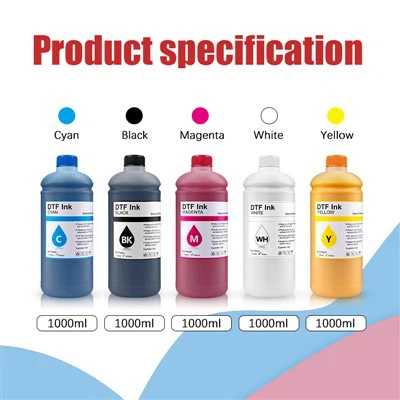
If you are interested in exploring UV ink for textile printing, we also offer a range of related products to enhance your printing experience. Check out our Compatible Ink Cartridge Replacement For Canon Pfi 706, which provides a cost-effective solution for your printing needs. Additionally, our 100ML Textile Cleaning Solution For Epson Printers helps keep your printer in optimal condition, ensuring consistent print quality. And for those looking for a high-quality textile ink, our 1000ML Film Transfer DTF Textile Ink offers excellent color saturation and durability.
Conclusion
In conclusion, UV ink can be used for textile printing, offering several advantages such as high print quality, durability, versatility, and environmental friendliness. However, it also presents some challenges, including cost, equipment requirements, and compatibility issues. Despite these challenges, UV ink has found widespread applications in various textile printing industries, including apparel, home textiles, and signage.
If you are considering using UV ink for your textile printing needs, I encourage you to contact us for more information. Our team of experts can provide you with detailed product information, technical support, and sample prints to help you make an informed decision. We are committed to providing high-quality UV ink products and excellent customer service to meet your specific requirements. Let's work together to take your textile printing to the next level.
References
- Smith, J. (2020). The Future of Textile Printing: UV Ink Technology. Textile Printing Journal, 15(2), 34-42.
- Johnson, A. (2019). UV Ink for Textile Printing: Advantages and Challenges. Printing Technology Magazine, 22(3), 56-63.
- Brown, C. (2018). Practical Applications of UV Ink in the Textile Industry. Textile Innovation Review, 10(4), 78-85.