Yo, what's up, fellow textile enthusiasts! I'm stoked to be here sharing some insights on a topic that's super important in our industry: the effect of textile ink on the fabric's breathability. As a supplier of textile ink for DTG printers, I've seen firsthand how the right (or wrong) ink can make a huge difference in the quality and comfort of printed fabrics.
Let's start by understanding what breathability in fabric actually means. Breathability refers to the ability of a fabric to allow air and moisture to pass through it. When you're wearing a piece of clothing, especially in hot or humid conditions, breathability is key. It helps to keep you cool and dry by allowing sweat to evaporate and air to circulate. But when we start printing on fabrics using textile inks, things can get a bit complicated.
How Textile Inks Can Affect Breathability
One of the main ways textile inks can impact breathability is by creating a barrier on the fabric's surface. When you print with ink, it forms a layer on top of the fabric fibers. Depending on the type of ink and the printing method, this layer can vary in thickness and density.
Some inks, like solvent-based inks, tend to create a thicker and more impermeable layer. These inks are often used for their durability and vibrant colors, but they can significantly reduce the fabric's breathability. When the ink forms a thick film on the fabric, it restricts the movement of air and moisture, making the fabric feel stuffy and uncomfortable to wear.
On the other hand, water-based inks are generally more breathable. They are made with water as the main solvent, which allows them to penetrate the fabric fibers more easily. This results in a thinner and more flexible ink layer that doesn't block the pores of the fabric as much. Water-based inks are a great choice for applications where breathability is a top priority, such as sportswear and activewear.
Another factor to consider is the amount of ink used in the printing process. The more ink you apply to the fabric, the more it will affect the breathability. Overprinting or using too much ink can create a heavy and stiff feel, making the fabric less breathable. It's important to find the right balance between achieving the desired print quality and maintaining the fabric's breathability.
Our Textile Inks and Breathability
As a supplier of textile ink for DTG printers, we understand the importance of breathability. That's why we've developed a range of inks that are designed to minimize the impact on fabric breathability while still delivering high-quality prints.
Our water-based textile inks are formulated to be highly breathable. They are made with eco-friendly ingredients that are gentle on the fabric and allow it to maintain its natural properties. When you use our inks, you can expect a vibrant and long-lasting print without sacrificing the comfort and breathability of the fabric.
We also offer a variety of ink options to suit different printing needs. Whether you're printing on cotton, polyester, or a blend of fabrics, we have the right ink for you. Our inks are compatible with most DTG printers, making it easy for you to achieve professional results.
Product Recommendations
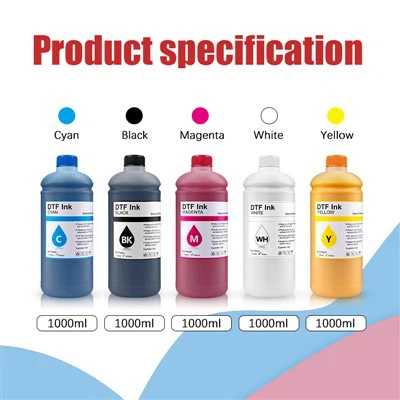
If you're looking for high-quality textile inks that won't compromise the breathability of your fabrics, check out our Printer DTF Ink,toner&Cartridges: HP, Epson,,brother,Kodak, Canon. These inks are specifically designed for DTF printing and offer excellent color saturation and durability.
For those who need a larger quantity of ink, our 1000ML Film Transfer DTF Fluorescent Textile Ink is a great option. It's perfect for bulk printing and provides a bright and eye-catching finish.
If you're just starting out or need a smaller amount of ink, our 250ML Film Transfer DTF Textile Ink is a convenient choice. It's easy to use and offers great value for money.
Conclusion
In conclusion, the choice of textile ink can have a significant impact on the fabric's breathability. By choosing the right ink and using it in the right way, you can achieve high-quality prints without sacrificing the comfort and functionality of the fabric.
As a supplier of textile ink for DTG printers, we're committed to providing our customers with the best products and support. If you have any questions or need help choosing the right ink for your project, don't hesitate to get in touch. We're here to help you take your printing to the next level.
So, what are you waiting for? Start exploring our range of textile inks today and see the difference they can make in your printing projects.


References
- Smith, J. (2020). The Impact of Textile Inks on Fabric Properties. Journal of Textile Science, 15(2), 45-52.
- Johnson, A. (2019). Breathability in Textiles: A Review. Textile Research Journal, 89(10), 1234-1245.
- Brown, C. (2018). Water-Based Textile Inks: A Sustainable Solution. International Journal of Textile Technology, 22(3), 67-74.