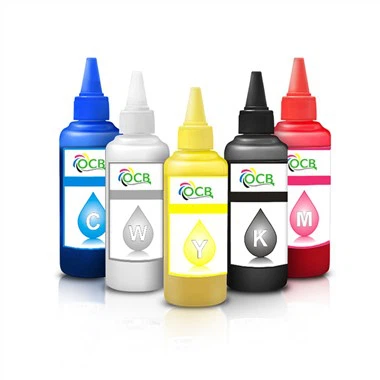
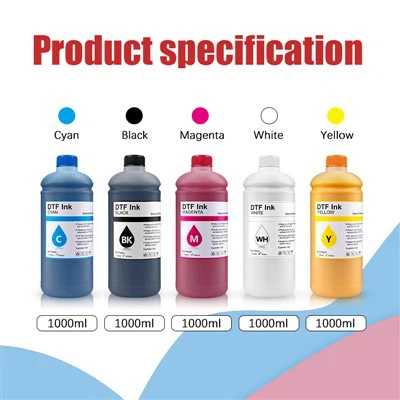
Hey there! As a supplier of DTF fluorescent textile ink, I've seen firsthand how choosing the right color can make or break a printing project. In this blog post, I'll share some tips on how to pick the perfect DTF fluorescent textile ink colors for your needs.
Understanding Fluorescent Colors
Let's start with the basics. Fluorescent colors are super bright and eye - catching. They absorb light and then re - emit it at a different wavelength, which is what gives them that intense glow. In the world of DTF (Direct to Film) printing on textiles, fluorescent inks can add a unique and vibrant touch to your designs, making them stand out in a crowd.
Consider the Fabric
The type of fabric you're printing on is a crucial factor when choosing DTF fluorescent textile ink colors. Different fabrics have different absorption and reflection properties, which can affect how the ink looks.


- Natural Fibers: Fabrics like cotton and linen are great for DTF printing. They tend to absorb the ink well, resulting in rich and vivid colors. Fluorescent inks on natural fibers can really pop, especially in bright sunlight. For example, a fluorescent yellow on a white cotton t - shirt will look super bold and bright.
- Synthetic Fibers: Polyester and nylon are synthetic fibers that can also be printed on with DTF inks. However, they may require a bit more attention. Synthetic fabrics are often more resistant to ink absorption, so you might need to adjust your printing settings or choose inks specifically formulated for synthetics. Some fluorescent inks might appear slightly different on synthetics compared to natural fibers, so it's a good idea to do a test print first.
Think About the Design
Your design plays a huge role in color selection. Here are some things to keep in mind:
- Contrast: You want your design elements to stand out from each other. For instance, if you're printing a logo on a shirt, using a fluorescent color for the logo against a dark - colored background will create a high - contrast look that's easy to see. On the other hand, if your background is light, a darker or more muted fluorescent shade might work better to create a balanced design.
- Color Combinations: Fluorescent colors can be paired in many ways to create different effects. Complementary colors (colors opposite each other on the color wheel) can create a dynamic and energetic look. For example, fluorescent orange and fluorescent blue can make a really cool combination. Analogous colors (colors next to each other on the color wheel) like fluorescent green and fluorescent yellow can give a more harmonious and calming feel.
End - Use of the Product
The intended use of the printed textile also matters.
- Fashion and Apparel: If you're printing on clothing items, you need to think about current fashion trends. Right now, neon and fluorescent colors are really in style, so you can go wild with bright and bold combinations. But also consider the target audience. For a more conservative market, you might want to use fluorescent colors in a more subtle way, like as accents rather than the main color.
- Promotional Items: For promotional products like tote bags or banners, you want the colors to be as attention - grabbing as possible. Fluorescent inks are perfect for this because they can be seen from a distance. You can choose high - visibility colors like fluorescent pink or fluorescent lime green to make sure your message gets noticed.
Quality of the Ink
The quality of the DTF fluorescent textile ink is non - negotiable. Low - quality inks may fade quickly, bleed, or not adhere well to the fabric. As a supplier, I always recommend using high - quality inks for the best results.
- Lightfastness: Good fluorescent inks should have high lightfastness, which means they won't fade easily when exposed to sunlight. This is especially important for outdoor items like flags or sportswear.
- Color Consistency: The ink should produce consistent colors across different prints. You don't want to have variations in color from one shirt to the next. Look for inks that are known for their color accuracy and stability.
Our Product Recommendations
As a DTF fluorescent textile ink supplier, I have some great products to recommend.
- High Quality 1000Ml Megaprint Dtf Printing Ink Heat Transfer: This ink is known for its high - quality formula. It offers excellent color saturation and adhesion to various fabrics. The 1000ml size is great for medium - to - large - scale printing projects.
- Ocbestjet 5 Liter Top Eva Name Tank Flo Dtf Transfer Shoes Taransfer Printer Ink For Epson 8550 L8050 P6000 Xp 600 Printhead: If you have a high - volume printing need, this 5 - liter option is perfect. It's compatible with popular printheads, making it a versatile choice for many printers.
- Cost - effective DTF Ink For Heat Transfer Printer: For those on a budget, this cost - effective ink doesn't compromise on quality. It still provides bright and long - lasting fluorescent colors for your prints.
Testing is Key
Before you start a large - scale printing project, it's always a good idea to do some test prints. This allows you to see how the ink looks on the fabric, how it behaves under different printing conditions, and if the colors match your expectations. You can make adjustments to the color settings, printing speed, or pressure based on the test results.
Conclusion
Choosing the right color of DTF fluorescent textile ink involves considering the fabric, the design, the end - use of the product, and the quality of the ink. By taking these factors into account and doing some testing, you can achieve amazing results with your DTF prints.
If you're interested in purchasing DTF fluorescent textile ink or have any questions about color selection, feel free to reach out. We're here to help you make the best choices for your printing projects.
References
- Textile Printing Technology Handbook, various authors
- Color Theory for Designers, multiple editions