Hey there! I'm a supplier of DTF textile pigment ink, and I know that transporting this stuff safely is super important. Whether you're a small business owner looking to get your products to customers or a large-scale distributor shipping ink across the country, there are some key things you need to keep in mind. In this blog post, I'll share some tips on how to transport DTF textile pigment ink safely, so you can avoid any potential problems and ensure your ink arrives in perfect condition.
Understanding DTF Textile Pigment Ink
Before we dive into the transportation process, let's take a quick look at what DTF textile pigment ink is and why it requires special handling. DTF, or Direct to Film, is a printing technology that allows you to print high-quality designs directly onto a transfer film, which can then be applied to various textiles. The pigment ink used in DTF printing is a specialized type of ink that contains pigments suspended in a liquid carrier. These pigments are what give the ink its color and durability, but they can also be sensitive to certain environmental conditions.
One of the main challenges of transporting DTF textile pigment ink is that it can be easily damaged by temperature changes, vibrations, and exposure to sunlight. If the ink is exposed to extreme temperatures, it can thicken or thin out, which can affect its performance and quality. Vibrations can also cause the pigments to settle or separate, which can lead to inconsistent printing results. And if the ink is exposed to sunlight for too long, it can fade or discolor, which can make the printed designs look dull or washed out.
Preparing the Ink for Transport
The first step in transporting DTF textile pigment ink safely is to prepare it properly. This involves making sure the ink is stored in the right containers, labeling it correctly, and protecting it from damage.
Choose the Right Containers
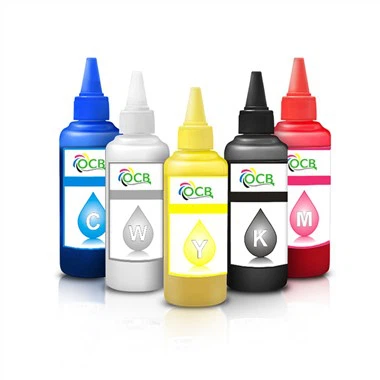
When it comes to storing and transporting DTF textile pigment ink, it's important to choose the right containers. The containers should be made of a material that is resistant to chemicals and can withstand the pressure and temperature changes that may occur during transport. Plastic bottles or jars are a popular choice for storing ink, as they are lightweight, durable, and easy to handle. Make sure the containers are tightly sealed to prevent any leaks or spills.
Label the Containers
Proper labeling is essential when transporting DTF textile pigment ink. Each container should be labeled with the name of the ink, the color, the batch number, and any other relevant information. This will help you keep track of the ink and ensure that it is used correctly. You should also include any safety warnings or instructions on the label, such as "Keep out of reach of children" or "Avoid contact with skin and eyes."
Protect the Containers
To protect the ink from damage during transport, you should wrap the containers in a protective material, such as bubble wrap or foam. This will help absorb any shocks or vibrations that may occur during transit. You can also place the containers in a sturdy box or crate and fill the empty space with packing material, such as packing peanuts or shredded paper, to prevent the containers from moving around.
Choosing the Right Shipping Method
Once you have prepared the ink for transport, the next step is to choose the right shipping method. There are several factors to consider when choosing a shipping method, including the distance, the size and weight of the shipment, and the level of protection required.
Ground Shipping
Ground shipping is a popular choice for transporting DTF textile pigment ink, as it is usually the most cost-effective option. However, it can also take longer to deliver the ink, especially if you are shipping it over a long distance. When choosing ground shipping, make sure to choose a reputable carrier that has experience transporting hazardous materials. You should also consider purchasing insurance to protect your shipment in case of any damage or loss.
Air Shipping
Air shipping is a faster option for transporting DTF textile pigment ink, but it can also be more expensive. When choosing air shipping, make sure to choose a carrier that is approved to transport hazardous materials. You should also follow all the necessary regulations and guidelines for shipping hazardous materials by air, such as filling out the appropriate paperwork and labeling the shipment correctly.


Courier Services
Courier services, such as FedEx or UPS, are another option for transporting DTF textile pigment ink. These services offer fast and reliable delivery, but they can also be more expensive than ground or air shipping. When choosing a courier service, make sure to choose a carrier that has experience transporting hazardous materials. You should also consider purchasing insurance to protect your shipment in case of any damage or loss.
Handling the Ink During Transport
Once you have chosen the right shipping method, it's important to handle the ink properly during transport. This involves making sure the ink is stored in the right position, protecting it from temperature changes, and avoiding any rough handling.
Store the Ink in the Right Position
When transporting DTF textile pigment ink, it's important to store the containers in the right position. The containers should be stored upright to prevent any leaks or spills. You should also make sure the containers are not stacked too high, as this can cause them to tip over and spill.
Protect the Ink from Temperature Changes
As I mentioned earlier, DTF textile pigment ink can be sensitive to temperature changes. To protect the ink from temperature changes during transport, you should choose a shipping method that offers temperature-controlled storage. You can also use insulated packaging materials, such as coolers or thermal blankets, to help keep the ink at a consistent temperature.
Avoid Rough Handling
During transport, it's important to avoid any rough handling of the ink. This means making sure the containers are not dropped, shaken, or bumped. You should also avoid exposing the ink to any extreme vibrations or shocks, as this can cause the pigments to settle or separate.
Inspecting the Ink Upon Arrival
Once the ink has arrived at its destination, it's important to inspect it carefully to make sure it has not been damaged during transport. This involves checking the containers for any signs of leaks or spills, as well as checking the ink for any signs of thickening, thinning, or discoloration.
Check the Containers
When inspecting the containers, look for any signs of damage, such as cracks, dents, or leaks. If you notice any damage, you should contact the shipping carrier immediately to report the issue. You should also take pictures of the damage and keep them as evidence.
Check the Ink
When inspecting the ink, look for any signs of thickening, thinning, or discoloration. If you notice any changes in the ink, you should contact the supplier immediately to report the issue. You should also take a sample of the ink and send it to the supplier for testing.
Conclusion
Transporting DTF textile pigment ink safely requires careful planning and preparation. By following the tips outlined in this blog post, you can ensure that your ink arrives at its destination in perfect condition. Remember to choose the right containers, label them correctly, protect them from damage, choose the right shipping method, handle the ink properly during transport, and inspect the ink upon arrival. If you have any questions or need further assistance, please don't hesitate to contact me. I'm here to help you transport your DTF textile pigment ink safely and efficiently.
If you're interested in purchasing DTF textile pigment ink, I invite you to check out our website. We offer a wide range of Printer DTF Ink,toner&Cartridges: HP, Epson,,brother,Kodak, Canon and DTF Ink Bag For Epson L800 i3200 4720 to meet your printing needs. We also offer DTF Transfer Ink that is specifically designed for use with DTF printing technology. Contact us today to learn more about our products and services and to discuss your specific requirements.
References
- "Transporting Hazardous Materials: A Guide for Shippers," U.S. Department of Transportation
- "Safe Handling and Storage of DTF Textile Pigment Ink," Manufacturer's Instructions
- "Shipping Guidelines for DTF Textile Pigment Ink," Carrier's Regulations