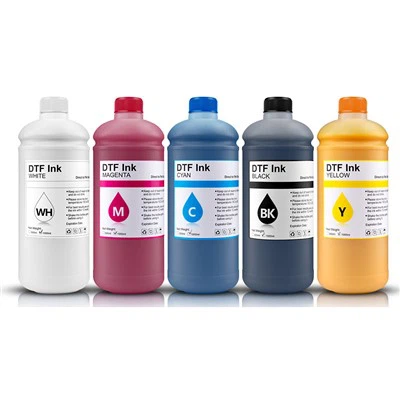
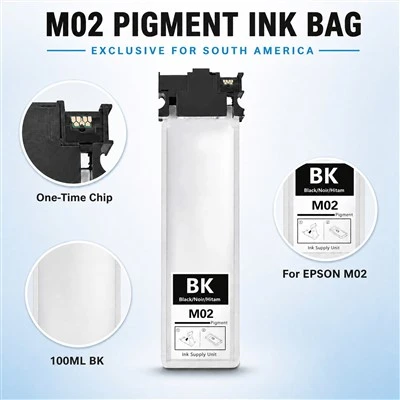
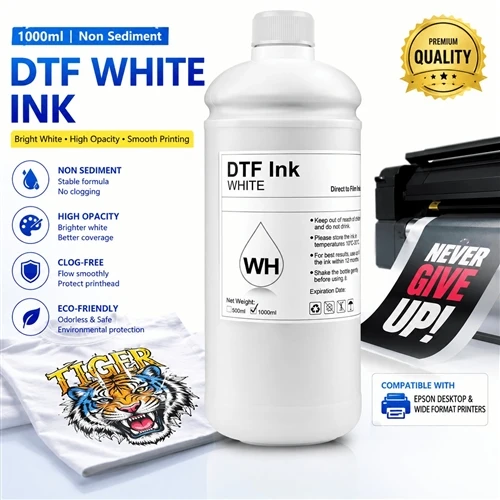
When it comes to lino printing on fabric, one of the most frequently asked questions from our customers is about the coverage area of a bottle of ink. As a reliable supplier of ink for lino printing on fabric, we understand the importance of this query. Knowing the coverage area helps you plan your projects more effectively, manage your materials efficiently, and budget your printing costs accurately.
Factors Affecting Ink Coverage Area
The coverage area of a bottle of ink for lino printing on fabric can vary greatly due to several factors. These factors are crucial to consider when estimating how much fabric you can print with a single bottle of ink.
1. Fabric Type
Different fabric types have different absorbency rates. For example, natural fabrics like cotton and linen tend to absorb ink more readily than synthetic fabrics such as polyester. This means that more ink is needed to achieve a vivid and saturated print on natural fabrics. On the other hand, synthetic fabrics may require less ink because the ink tends to sit on the surface rather than being absorbed deeply. As a result, a bottle of ink may cover a larger area on synthetics compared to natural fabrics.
2. Printing Pressure
The amount of pressure applied during the lino printing process can significantly impact the ink coverage. If you apply more pressure, more ink will be transferred from the lino block to the fabric, resulting in a darker and more saturated print. However, this also means that less surface area can be covered with the same amount of ink. Conversely, lighter pressure may lead to a lighter print but can cover a larger area.
3. Design Complexity
The complexity of your lino print design plays a vital role in determining ink coverage. A design with large solid areas will require more ink to fill in those spaces compared to a design with mostly outlines or sparse details. Therefore, prints with intricate and detailed designs may have a smaller coverage area per bottle of ink.
4. Ink Viscosity
The viscosity of the ink affects how it spreads and transfers onto the fabric. Thicker inks may not spread as easily, which can lead to a less even coverage and potentially less area covered. Thinner inks, on the other hand, can spread more freely and may cover a larger area. However, if the ink is too thin, it may bleed and result in a less sharp print.
Estimating the Coverage Area
While it's challenging to provide an exact coverage area due to the variables mentioned above, we can offer some general estimates based on our experience and customer feedback.
For a standard 500ml bottle of 500ML Film Transfer DTF Textile Ink, on a medium-absorbency fabric like cotton with a simple design and normal printing pressure, you can expect to cover approximately 2 - 3 square meters. If you are using a synthetic fabric with the same ink and similar conditions, the coverage area may increase to around 3 - 4 square meters.
For Dtf Direct - to - film Ink For Inkjet Printer, which is often used in more precise printing processes, the estimates are slightly different. A 500ml bottle can cover about 2.5 - 3.5 square meters on cotton fabric with moderate - complexity designs. This ink is formulated for better transfer and precision, which can result in a more efficient use of ink in some cases.
The Ocbestjet DTF Ink For Epson L1800 i3200 4720 in a 1000ml container can cover 4 - 6 square meters on cotton, depending on the factors mentioned earlier. This larger volume of ink is suitable for larger printing projects, and customers have reported good results in terms of coverage and print quality.
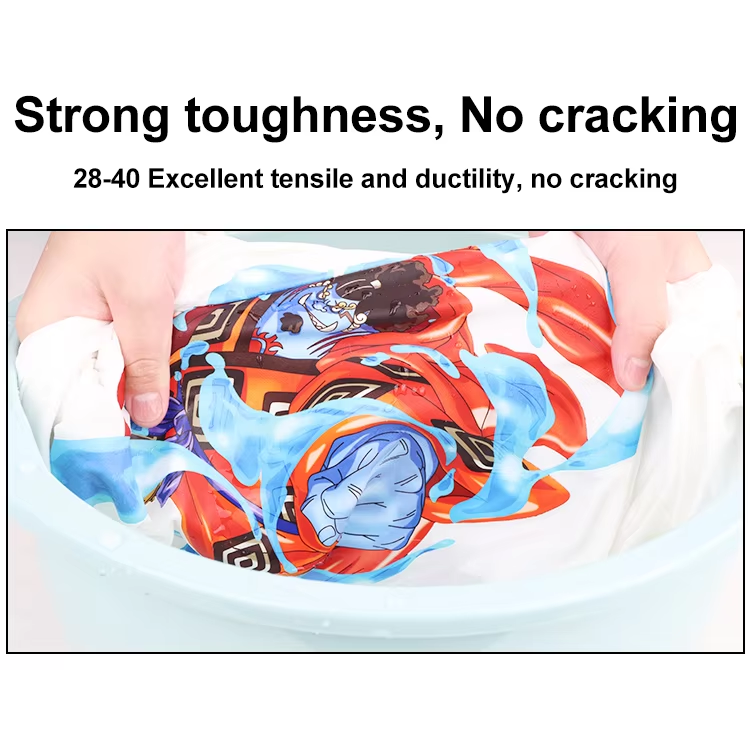
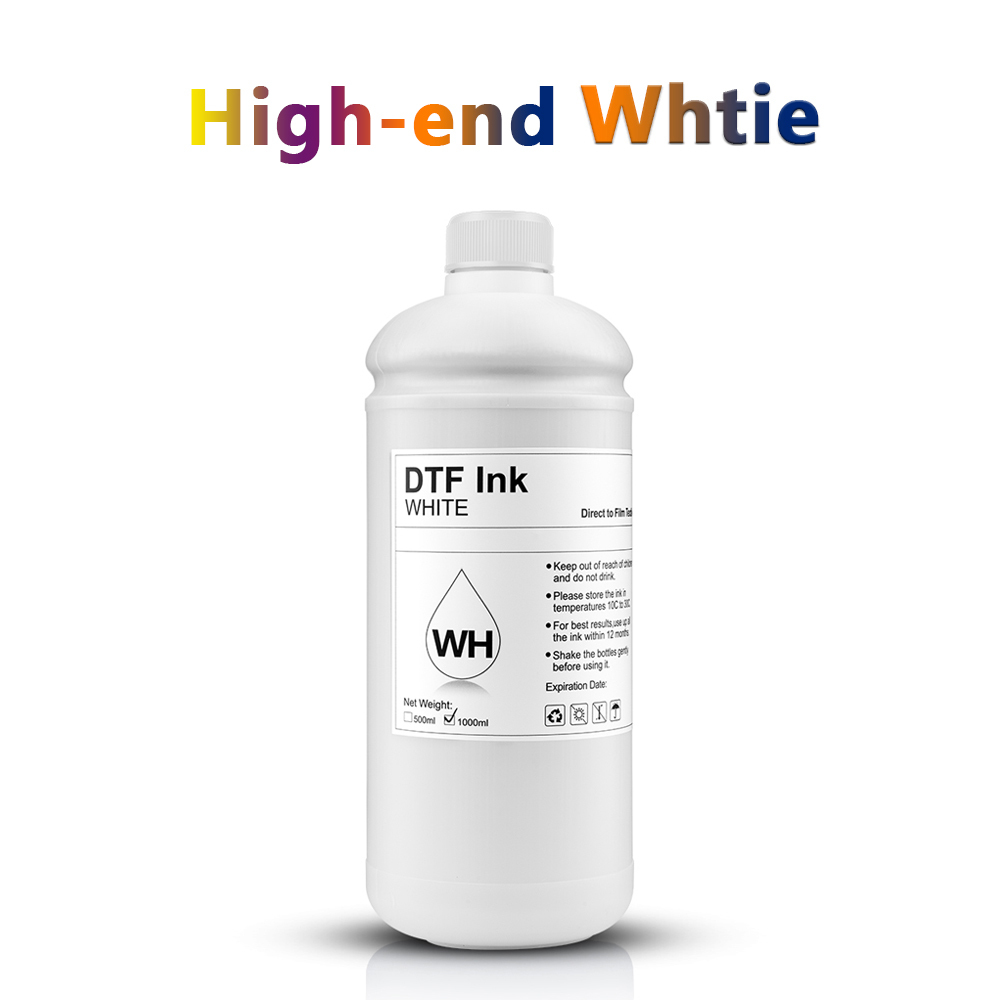
Our Ocbestjet 5 Liter Top Eva Name Tank Flo Dtf Transfer Shoes Taransfer Printer Ink For Epson 8550 L8050 P6000 Xp 600 Printhead is ideal for industrial - scale production. With a 5 - liter volume, it can cover a substantial 20 - 30 square meters on cotton fabric, making it a cost - effective option for large - scale lino printing on fabric.
For the 500ml per bottle DTF Ink For Epson L1800 i3200 4720 Printer, similar to the other 500ml inks, it can typically cover 2 - 3 square meters on cotton with standard printing conditions.
Tips for Maximizing Ink Coverage
To get the most out of your ink and cover a larger area, here are some practical tips:
- Test on Scrap Fabric: Before starting a large - scale project, test your lino print on a small piece of scrap fabric. This allows you to adjust the printing pressure, ink amount, and other variables to achieve the best balance between print quality and ink usage.
- Use a Brayer Properly: A brayer is a tool used to roll the ink onto the lino block. Make sure to roll the brayer evenly across the block to distribute the ink uniformly. This helps prevent over - inking in some areas and under - inking in others, ensuring more efficient ink use.
- Clean Your Lino Block Regularly: A clean lino block ensures that the ink transfers smoothly and evenly onto the fabric. Remove any excess ink or debris from the block between prints to maintain consistent ink coverage.
Conclusion
Understanding the coverage area of a bottle of ink for lino printing on fabric is essential for any fabric printer, whether you're a hobbyist or a professional. By considering the factors that affect ink coverage, making accurate estimates, and following our tips for maximizing ink usage, you can plan your projects more effectively and get the best results from your ink.
If you're interested in purchasing high - quality ink for lino printing on fabric or have any questions about our products, feel free to reach out to us. We are here to assist you in finding the right ink for your specific needs and to provide any support you may require. Our team of experts is dedicated to ensuring your printing projects are successful.
References
- "Textile Printing: Principles and Practice" by R. S. Aspland
- "The Complete Guide to Lino Printing" by Paul Davis